


If you are into fast cars and adrenaline rush, you may want to learn more about how to care car racing. Yes, some people do own racing cars because of their personal interests. Yet, they understand the extra efforts in caring for those cars. If you are one of them, you should read on and upgrade your knowledge.


How to Care Car Racing: Basic Thoughts
A regular car is different from a racing car. The latter work harder because of the pressure of the sport. Not only do they have to deal with strong forces on the track, but they are also required to run at higher speeds.
That’s why you need to understand the proper basic knowledge of care and maintenance of the racing car. If you are able to keep everything in good care, you ensure the car’s reliability, safety, and speed. If you fail to do so, you don’t only deal with expensive repairs, but also the possibility of endangering your life.
Steps in Caring for the Car
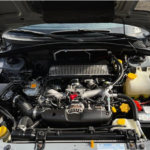
First stop: the engine. Let’s not forget that the engine is the heart of every vehicle. Again, the engine of a racing car works harder than regular car. It undergoes heavy stress during every lap. Check the engine before and after each race. Change the engine oil often. Clean oil protects the engine from heat and friction. Use the correct oil recommended for racing. Replace the oil filter as well. A clean filter helps the engine breathe and perform better.
After the engine, come the cooling system. It shouldn’t be underestimated as race cars create a lot of heat. If the engine becomes excessively hot, it’s prone to fail. Check the coolant level each time before you race. Make sure the radiator is clean and free of dirt or bugs. Inspect hoses for cracks or leaks. Replace any old or damaged parts. A healthy cooling system keeps the engine safe during long, fast runs.
The next one is the tires, which are crucial for racing. They affect speed, grip, and safety. Check tire pressure often. Incorrect pressure can slow the car or cause accidents. Inspect the tire surface for cuts, cracks, or uneven wear. Replace worn tires right away. Racing tires wear out quickly, so constant checks are necessary. Clean the tires after races to remove dirt and rubber pieces.
Brakes also need careful attention. Race cars brake hard at high speed. This creates a lot of heat and wear. Check the brake pads and rotors regularly. Look for thin pads or cracks. Replace them if needed. Check the brake fluid, too. Old fluid can make braking weak or slow. Strong brakes keep the driver safe and help the car perform well on the track.
The suspension is important for handling. It helps the car stay stable during sharp turns. Racing puts pressure on shocks, springs, and joints. Inspect these parts after each race. Look for loose bolts, leaks, or broken parts. If the car feels bumpy or unstable, the suspension may need repair. Good suspension makes the car smoother and faster.
Do not forget the transmission. Fast shifting and sudden gear changes stress the gearbox. Check the transmission fluid often. It should look clean and not burnt. If the car has trouble shifting, get the transmission checked. Proper care prevents major damage.
The electrical system also deserves attention. Make sure the battery is strong and secure. Check the wiring. You don’t want to have damaged or loose connections. Racing vibrations can cause parts to shake or become loose. Tighten everything that feels unstable. Healthy electronics help the engine, sensors, and lights work correctly.
Other Elements to Consider
Cleanliness also plays a crucial factor. Wash the car after each race. Remove dirt, dust, and rubber debris. Cleaning helps you spot small cracks or loose parts early. It also prevents rust and keeps the car looking good.
Don’t forget about safety gear and equipment too. Check them regularly. Look at the seat belts, roll cage, fire extinguisher, and fuel lines. Make sure they are in good condition. Replace anything damaged or outdated. Safety parts protect the driver and are required in every race.
Don’t underestimate funny smell, changes in performance, or unusual sounds. Small problems often show early signs. Fixing them quickly can prevent bigger issues.
Conclusion
Caring for a race car requires time, commitment, and effort. However, good maintenance gives better speed, safety, and performance. With proper care, a race car stays strong and ready for every track challenge. That’s why knowing how to care car racing can prevent you from further damage and danger.